Children’s skiwear for a February ski trip

Half-term school holidays make February one of the most popular times of year for families to head on their annual ski trip. The mid-winter month also holds some of the most reliable snow conditions, so the ski resorts are absolutely buzzing.
February skiing conditions call for a well planned outfit given the colder temperatures, shaded pistes and limited sunlight hours.
The perfect kids ski outfit is all about comfort, warmth and versatility. When children are properly dressed, they’ll be up for longer days on the slopes and have more fun so that you have more bargaining power for ski trips to come.
The experience behind our kids’ mid-winter skiwear guide
This guide features contributions from different parents in the Cirkel Supply team (Per Berthels, Anders Bergenstrand and Rosalind Monks). At Cirkel Supply, we specialise in premium ski clothing rental – our customers rent outfits for the whole family online and we deliver the order to their accommodation in the Swiss Alps.
Our ski clothing guide focuses on dressing kids for skiing over the February school holidays, and it channels our professional experience working with technical skiwear fabrics and our personal experience skiing with kids through the depths of winter.
February: what to expect for your family ski holiday
February in the Swiss Alps features crisp mornings, shady ski runs and the typical weather systems bring snow, wind and temperatures well below freezing. That means if your child is perched on a chairlift, or waiting for their ski school buddies, there is plenty of opportunity to catch a chill.
Because kids lose heat faster than adults, ski clothing needs to manage warmth without overheating (be warned: February can occasionally bring a surprise warm spell). That means high-quality and breathable fabrics that expertly manage heat and moisture.

Base layers for children
A good children’s ski outfit starts with a high-performance base layer. The children's base layers that we recommend are merino wool leggings and long-sleeve tops. This soft, natural fabric keeps your child warm when it’s cold, and it releases heat and moisture when it gets warm. Merino also stays warm, even when wet – so if your child gets into a snowball fight at lunchtime – merino base layers will keep them warm through all kinds of snowy skulduggery.
Mons Royale is an industry leader for merino layers – their kids base layers feature fun prints, smart design and technical merino blends.
The most budget-friendly base layer option is synthetic thermals. The absolute no-go material for base layers (and all other layers, for that matter!) is cotton. Cotton holds moisture, becomes heavy and cold – which can be dangerous in the harsh mountain environment.
Children’s midlayers - temperature control
The midlayer is your main lever for dialling up the warmth factor when temperatures are dropping. Midlayers can be anything from cosy down jackets, to technical fleeces or even a woolly jumper.
Choose your midlayer according to the conditions and whether or not your outer layer is insulated or not (3L shell jackets require extra-warm midlayers, whereas insulated jackets and pants can be paired with lighter-weight midlayers).
- Namuk Kids Step Bio Fleece Pants. A great option for kids wearing 3L shell pants. If your child is wearing insulated ski pants, they will be fine wearing only base layer leggings underneath their ski pants.
- Namuk Kids Avan Bio Fleece Jacket. Our lightest midlayer fleece for kids which adds warmth without bulk.
- Patagonia Kids Retro Pile Jacket. A midweight fleece jacket with the classic Patagonia look.
- Namuk Glare Primaloft Jacket. This is our warmest midlayer which is perfect for the cold temperatures of a February family ski trip.
Kids outer layers - insulated or 3L shells?
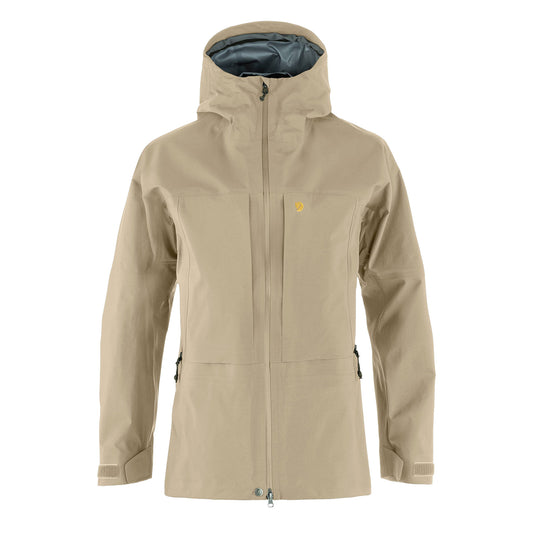
When it comes to outerwear over the February holidays, insulated ski jackets and pants are the simplest choice. Insulated ski outfits combine weather protection and warmth in one cosy package. This is often ideal for younger children who want a straightforward, no-fuss solution for cold conditions.
With that said, 3L shell outerwear paired with warmer midlayers is a versatile approach that provides the most comfort through varying conditions. An example outfit would be a waterproof, windproof 3L shell jacket and trousers combined with fleece pants, a fleece top, and, if needed, a puffy midlayer. This setup offers maximum flexibility across a week of varied weather and is particularly popular with older children who ski harder or run warmer. If you go for this option, we recommend taking a backpack where you can stash extra layers if the day warms up.
Both approaches work well in February. The right choice depends less on temperature alone and more on how much adjustability your child needs during the day.
Here are a few options for renting insulated and shell jackets and pants with Cirkel Supply:
- Namuk Kids Mission Snow Jacket & Crusade Snow Pants. A warm, insulated outfit with fun colourways that kids love.
- Picture Olyver Jacket. A popular jacket with teens that offers quilted insulation.
- Namuk Kids Turas 3L Jacket & Dait Bib Pants. Our premier 3L shell jacket and pants combo that offers unparalleled technical performance in a lightweight package.
Ski suits versus jacket & pants: a February perspective
One-piece ski suits are often the go-to for holidays in the depths of winter, and for good reason. They are warm, simple, and excellent at keeping snow out, especially for younger children who spend a lot of time sitting or falling. The main trade-off has traditionally been bathroom breaks, which can be awkward in a one-piece.
Jacket and trouser combinations offer more flexibility and are often preferred for older children. These are easier for independent dressing and allow layers to be adjusted more precisely. The common concern with this setup is snow getting up the back or down the pants when your child is tumbling in the snow.
One of our kids brands, namuk, addresses these two trade-offs with their clever design details. Their one-piece suits include discreet hand zips, making quick toilet stops far easier and removing one of the biggest downsides of the style. While their jackets and pants zip together so that not even one snowflake will sneak into their layers.
In February, both outfit options are valid – but our parents elect for onepiece suits as the ultimate combi. Here are a few of our favourites for different aged children:
- Namuk Kids Quest Snow Overall. A firm favourite combi for the kids, that features warm insulation and three fun colourways.
- Namuk Baby Zack Winter Overall. A cleverly designed one-piece suit for mountain-ready toddlers
- Patagonia Infant Hi-Loft Down Sweater Bunting. For the tiniest adventurers (3 to 18 months old), this down onepiece will keep your baby warm in their stroller.
Two final tips for your family ski trip
Don’t forget the all-important accessories: a helmet, neck warmer and gloves. Extra points if the gloves have wrist gaiters or attachments to ensure that these day-saving accessories don’t get inadvertently tossed off a chairlift.
Even with the best layering system, February weather can change quickly. We always recommend taking a small backpack for spare layers, especially if children are skiing all day. Being able to add or remove a midlayer, pull out a fresh pair of gloves or snacks while on a chairlift can make a big difference to comfort and keeps energy levels high.
We hope this guide helps you to keep the children warm, dry and well layered, so they can focus on exploring the mountain and having fun – exactly what our February ski holidays are all about!