How to layer for skiing and snowboarding

Are you curious about the dark art of layering?
In the ski and snowboard world, layering refers to the strategic application of technical clothing to thermoregulate, wick moisture and provide versatility through varying weather conditions and exertion levels. OR IN PLAIN ENGLISH - staying comfortable come rain, snow or shine!
The best way to layer for skiing is to wear three functional layers: a moisture-wicking base layer, an insulating midlayer and a waterproof, breathable outer layer. Each layer has one job. Together, they keep you warm and dry without locking you into one level of insulation all day.
That adaptability matters in the mountains. Skiing and snowboarding alternate between hard work on the descent and very little movement on a chairlift. The weather can also swing from a frosty first lift to spring sunshine by lunch. A good ski layering system lets you add warmth, open vents or remove a midlayer before sweat turns into a cold chairlift surprise.
Clothing layering system at a glance
- Base Layer: moves moisture away from your skin
- Midlayer: traps warm air around your body
- Outer Layer: blocks wind, snow, and rain while allowing heat and moisture to escape
Now let’s explore each layer in detail, from base layers to midlayers and outer layers.
Base layers keep you dry
Technical base layers are typically made of moisture-wicking materials like merino wool or synthetic fabrics. Base layers are designed to add a pinch of warmth and keep you dry by moving moisture away from your skin.
This is what we call ‘moisture wicking’, which is an essential base layer property for staying comfortable and preventing hypothermia, especially during high-intensity, but stop-start activities. Skiing and snowboarding certainly fit the stop-start category: over the course of a day in the mountains you might be working up a sweat one minute, and standing still in −10°C the next.

We recommend merino base layers. For one, less plastic is more fantastic, and for two, merino wool has magical properties that synthetics just don’t have, such as:
- Merino keeps you warm when it’s cold, and cool when you’re heating up
- Merino is odour resistant due to its antibacterial properties
- Merino is warm, even when it’s wet
Synthetic base layers can be lighter, and many are impressively quick to dry. But synthetics often retain odours, which could really hinder you while trying to impress new friends at après ski! Additionally, they don’t have all the other fabulous properties of merino.
Note that at Cirkel Supply, we don’t rent base layers, as these versatile garments can be worn in your daily life, and while participating in other winter and summer sports. We think that frequently used items are better to buy and keep in play for longer through careful laundry practices and repair.
Midlayers keep you warm
A ski midlayer traps body heat while allowing moisture and excess warmth to move away from your body. Fleece, down and synthetic insulation can all work, but the right choice depends on the weather, your activity level and whether your ski jacket already contains insulation.

Fleece midlayers work well for mild weather and active days
Technical fleece is breathable, quick-drying and comfortable when damp. A lightweight fleece often provides enough warmth under an insulated jacket. A warmer fleece works under a shell when conditions are cool but you expect to ski hard.
The Houdini Power Up Jackets for men and women are engineered with Polartec® Power Stretch Pro – a technical and breathable fabric that provides excellent moisture and temperature regulation in an ultimately lightweight package.
The Ortovox Fleece Teddy Jackets for men and women are built with a smart blend of merino and synthetic fibres that make them warm, breathable, and quick-drying. And as the name suggests, these jackets are our cosiest choice of midlayer.
Synthetic down midlayers excel in variable conditions
Synthetic insulation delivers useful warmth for its weight and continues to insulate when damp. It is a reliable choice for changeable Alpine weather, high-output skiing and people who want a low-bulk layer beneath a shell.
The Patagonia Nano Puff Jackets for men and women use lightweight synthetic insulation and fit neatly beneath an outer shell.
Down midlayers provide maximum warmth in cold, dry weather
Down offers excellent warmth for its weight, which makes it useful on very cold resort days. It performs less reliably when wet, so protect it with a genuinely waterproof shell and avoid overheating inside it. If the forecast is damp or your day includes hiking or ski touring, choose synthetic insulation or breathable fleece instead.
Outer layers
The outer layer consists of your snow jacket and pants. It’s absolutely essential to wear waterproof, windproof and breathable outer layers. The first two elements keep the weather out, and the breathability allows moisture and excess heat to move away from your body.

Hot tip - if it feels like it’s raining on the inside of your jacket, then it’s not breathing well! A system of technical base and midlayers can be totally ruined by an outer layer that doesn’t breathe. This is due to it trapping excess heat and moisture next to your body, making you uncomfortably damp.
Due to their superior breathability, 3L garments (also known as shell jackets and shell pants) perform better in a layering system than their 2L and insulated equivalents. If you’re unsure about the difference between 3L, 2L and insulated garments, read our article that demystifies the topic.
If you’re interested to experience the comfort of a high-performing 3L jacket, here are some great options to rent from Cirkel Supply:
-
The Houdini Rollercoaster Jacket is the gateway jacket to 3-layer life. Rent it for men and women to experience the next level of comfort and functional details. This jacket goes perfectly with the Houdini Rollercoaster Bib Pants for men and women.
-
The Ortovox 3L Ravine Shell Jackets for men and women fprovide waterproof, windproof and breathable protection, with merino inserts at the chest and collar for added comfort. Rent these technical jackets with the matching pants for men and women.
-
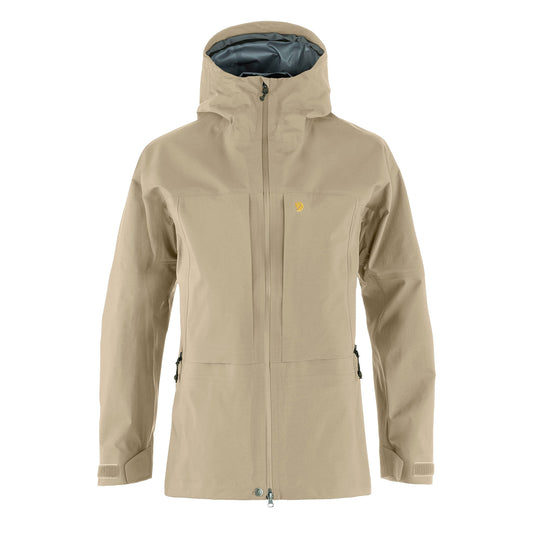
The Fjällraven Bergtagen GTX Touring Jackets for men and women take the prize for quality and performance in our esteemed collection of shell garments. These well-designed jackets go with the equivalent bib pants for men and women.
That’s a wrap on layering systems!
Our closing point on the magnificence of a good layering system is the beauty of its adaptability. As the temperatures fluctuate, or your own exertion levels change, you can add or remove layers to maintain optimal comfort. This versatility allows you to perform at your best within all kinds of activities, weather and temperatures.
Remember—there’s no such thing as bad weather, just bad clothing—which we can help you with!
If you have any questions about the best layering system for your next holiday, don’t hesitate to get in touch via our contact form or refer to our frequently asked questions about layering below.
Layering for skiing: frequently asked questions
How should you layer your legs for skiing?
Most skiers and snowboarders need a thermal base layer under their ski pants. Insulated or fleece-backed pants often require nothing else. Uninsulated shell pants can take a warmer base layer or a slim fleece layer in very cold weather.
Avoid jeans, cotton leggings and bulky tracksuit bottoms. They trap moisture, create pressure points and can limit movement. Wear one pair of proper ski socks rather than stacking two pairs, which can crowd your boots and reduce circulation. Leave enough room for warm air and free movement; our ski-clothes sizing guide explains how to choose the right fit around your layers. For younger skiers, see our guide to dressing children for mid-winter skiing.
What should I wear under a ski jacket?
Wear a moisture-wicking base layer and choose your midlayer according to the jacket. A shell usually needs fleece or an insulated midlayer. An insulated ski jacket may need only a base layer in mild weather and a light midlayer in colder conditions.
Do I need three layers for skiing?
You need the three functions: moisture management, insulation and weather protection. They do not always require three separate garments. An insulated jacket combines insulation and weather protection, while an integrated ski suit replaces a separate jacket and pants.
Is merino wool better than a synthetic base layer?
Merino wool is comfortable across changing temperatures, resists odour and insulates when damp. Synthetics usually dry faster, wick efficiently and cost less. Both can work well; avoid cotton.
Is a shell or insulated jacket better for skiing?
Choose a shell for maximum flexibility, high-output activity and changing conditions. Choose an insulated jacket for simple warmth, resort skiing and cold or lower-activity days. Neither is universally better; the best option matches your day and how warm you naturally run.
How many midlayers should I wear?
Start with one well-chosen midlayer. Add a second low-bulk layer only in severe cold or when your activity level is low. Too many thick layers can restrict movement, compress insulation and make you sweat.
Can I wear a puffer jacket under a ski jacket?
Yes, if the puffer is a low-bulk midlayer and your ski jacket has enough room without compressing the insulation. Adjust your layers to avoid overheating.