The complete guide to Val d’Isère

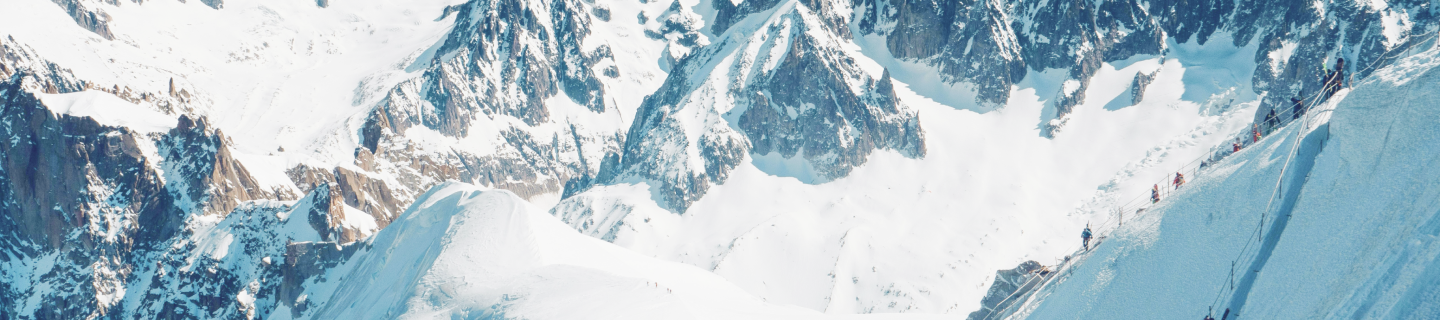
Every December, the World Cup season in France opens in the same place it has since 1955: Val d’Isère. The Critérium de la Première Neige – the “first snow trials” – says most of what you need to know about this resort in its name alone. The snow arrives early here, at 1,850 metres on the edge of the Vanoise National Park, and it stays late. The lifts spin from late November to early May, and when they finally stop, there’s a glacier above Le Fornet that carries on regardless.
This is also the village that raised Jean-Claude Killy – triple Olympic champion at Grenoble in 1968 – and lent his name to the 300 kilometres of skiing it shares with Tignes. Yet for all the racing pedigree, Val d’Isère never feels like a museum. The old village is real – a baroque church, stone houses, a proper high street – and everything around it hums. La Face de Bellevarde, the 1992 Olympic course, is open to anyone with a lift pass and strong enough legs. Which rather sums the place up: Val d’Isère doesn’t rope off its legends. It lets you ski them.

We spoke with local ski instructor, Pascal Prot, to get the inside scoop: where to stay in Val d'Isère, where to ski, eat and après so that you can plan an outstanding trip to this famous French ski resort.
Pascal Prot – our Val d'Isère expert
Meet Pascal Prot, a professional ski and snowboard instructor based in Tignes, with over 20 years of experience on the slopes. Pascal’s passion for the mountains started during a family holiday when he was 12 years of age, and quickly became a way of life. After discovering snowboarding at 18, Pascal went on to earn his French instructor qualification – he’s been sharing his passion with skiers and snowboarders ever since.
Pascal loves to teach people of all ages and help them to improve their technique – on skis or snowboard – while discovering the incredible terrain and atmosphere of Tignes and Val d’Isère.
Being a professional skydiver and photographer on the side brings an added dimension to Pascal’s lessons, which his clients really appreciate. Most people are looking at the view, but Pascal is always searching for the perfect angle to capture mountain moments on film to share with his clients.

A brief history of Val d’Isère
Val d’Isère grew from a genuine high-mountain farming community at the head of the Isère valley. The skiing era began in the 1930s – the first lift dates to 1936 – but the village’s character as a real, lived-in settlement predates the sport by centuries.
The champions came early. Henri Oreiller – France’s first Winter Olympic champion, with double gold at St. Moritz in 1948 – grew up here. Two decades later, Jean-Claude Killy won three gold medals at Grenoble in 1968, and the shared ski area with Tignes was named the Espace Killy in his honour. The name has officially changed to Tignes–Val d’Isère, but the old title lives on in conversation and in searches.
The Critérium de la Première Neige, first held in 1955 and part of the World Cup circuit since 1968, is the traditional French season-opener – racing on the Face de Bellevarde and the Oreiller-Killy (OK) piste above La Daille. The 2026 men’s races are confirmed for 12–13 December.
In 1992, the Albertville Winter Olympics brought the men’s downhill, giant slalom, super-G and combined to Val d’Isère. The purpose-built Face de Bellevarde – designed by Swiss Olympic champion Bernhard Russi – is recorded as the steepest giant-slalom course on the World Cup circuit by average gradient. The Olympic build-out also reshaped the village itself, adding the stone-built quarter around the church that gives the centre its handsome character today.
In 2009, Val d’Isère hosted the Alpine World Ski Championships – its most recent global showcase.

Credit: Val d’Isère Tourisme & Yann Allegre
The village: centre, La Daille, Le Fornet and the hamlets
Val d’Isère stretches along the valley floor, with distinct quarters that each serve a different kind of visitor.
Val d’Isère centre (1,850 m). The heart: the old village and church, the pedestrian-friendly main street, the front de neige with the Olympique gondola and Solaise lifts, and most of the shops, restaurants and nightlife. If you want to be at the centre of things – après-ski, dining, people-watching – this is where to base yourself.
La Daille. The first hamlet as you arrive from the valley. More functional than the centre – apartment blocks softened by newer builds – but superbly convenient: the Funival underground funicular shoots straight up Bellevarde, the OK World Cup piste runs overhead, and La Folie Douce thumps away above. Better value than the centre, and you can be on the slopes in minutes.
Le Fornet. The prettiest and quietest corner, up the valley towards the Col de l’Iseran. An old stone hamlet with its own cable car into the Fornet/Pissaillas sector – long, uncrowded pistes, glacier snow, celebrated off-piste, and the resort’s gastronomic flagship, L’Atelier d’Edmond. If you want peace, beauty and serious skiing, Le Fornet is the connoisseur’s choice.
Le Laisinant, Le Châtelard, La Legettaz and Le Joseray. Smaller residential hamlets along the valley, connected by the free shuttle bus. Chalet territory – quiet, family-friendly, and with express chairlift access at Le Laisinant that locals use to dodge the centre’s half-term queues.

The skiing: Solaise, Bellevarde, Le Fornet and Tignes
Val d’Isère’s skiing spans from 1,550 m to 3,456 m (the Pissaillas glacier above Le Fornet), with over 300 km of linked terrain shared with Tignes. Around 60% of the ski area sits above 2,000 m, which underpins the remarkably long season.
Solaise. The sunny, south-facing mountain above the village centre – wide, groomed cruising at altitude with spectacular views over the valley. The top of the Solaise gondola is also home to Le Village Perdu, a sustainably built larch-cabin adventure zone, and the ValKids children’s area. A strong choice for your first morning.
Bellevarde. The big one. Accessed from the centre via the Olympique gondola or from La Daille via the Funival funicular. La Face de Bellevarde – the 1992 Olympic men’s downhill – drops from the summit straight down to the village: steep, sustained and open to anyone with a lift pass. It’s a bucket-list run, and the fact that you can ski it on a regular ticket is part of Val d’Isère’s appeal. The rest of the Bellevarde sector offers excellent, varied terrain for all levels.
Le Fornet and Pissaillas. The quiet sector, up the valley: long runs, north-facing snow, and the Pissaillas glacier for reliable conditions late into spring (and even early summer). The off-piste here – particularly the routes off the Col Pers and into the Gorges de Malpasset – draws serious skiers from across the Alps. A mountain guide is an absolute necessity for anything off-piste.

The Tignes link. Multiple lift connections over the Col de Fresse and Col de Tovière make the two resorts one ski area in practice. Tignes’ higher altitude (resort at 2,100 m) and the Grande Motte glacier extend the terrain and the snow guarantee. On a long holiday, you’ll want to explore both – the contrast in character (Val d’Isère’s village charm versus Tignes’ high-altitude functionality) is itself part of the experience.
For beginners. Better than the reputation suggests: free village lifts on the front de neige, the ValKids area at the top of Solaise, and high-altitude green runs that are wide, sunny and uncrowded. Children under 8 ski free.
For intermediates. The sweet spot: groomed reds across Solaise and Bellevarde, the long descents from the Fornet sector, and the Tignes link for variety. You could ski a different run every day for two weeks.
For advanced and freeride. World-class – this is one of the great freeride destinations in the Alps. The off-piste from Bellevarde, the Fornet couloirs, the Tignes backcountry and the glacier terrain above Pissaillas offer genuine, challenging mountain skiing. Hire a guide.
Where to stay
Val d’Isère’s accommodation story is chalets first, hotels second. The catered-chalet market – properties with private chefs, hot tubs and Saturday-to-Saturday bookings – is one of the deepest in the Alps and the single most important format to consider.
Emerald Stay. Emerald Stay is a leading vacation rental company offering an exclusive collection of handpicked chalets, apartments and villas with hotel-style services across the Alps. In Val d'Isère, their collection of properties is set within well-connected locations, ideally placed for exploring the Tignes–Val d'Isère ski area. Guests can enjoy easy access to the slopes and mountain views throughout their stay.
Les Barmes de l’Ours. Five-star luxury in the village centre – spa, pool, and the kind of mountain-lodge atmosphere that makes you reluctant to leave for the slopes. One of the resort’s benchmark addresses.
Experimental Chalet. A 113-room four-star hideaway from the Experimental Group, set at the foot of the Vanoise massif. Enjoy two restaurants, the Experimental Cocktail Club, a luxurious spa with indoor pool, sauna and hammam, plus event spaces — a stylish base right on the Espace Killy pistes.
Le Refuge de Solaise (2,551 m). The converted cable-car station on the Solaise summit – hotel rooms, dormitory bunks, a restaurant and (per Oxygène) Europe’s highest ski shop. Sleeping on the mountain, with the lifts starting from your doorstep, is an experience unlike any other in the resort.
Where to eat and après-ski
La Folie Douce (above La Daille). The mountain-après institution. Val d’Isère is widely described as the original Folie Douce site – if that claim holds, it’s a detail no other resort can use. DJs, live performers, a sun terrace and a crowd that dances in ski boots from mid-afternoon. Loud, joyful and unapologetic.
Café Bellevarde. The rustic, wooden-table alternative near the top of the Olympique lift – traditional après with a view, for those who prefer their afternoon beer without a bassline.
Le Refuge de Solaise. Dinner at 2,551 m in a converted lift station. Book it as an experience, not just a meal.
Village dining. The old-village quarter around the church is full of stone-walled Savoyard restaurants – raclette, fondue, local game – with a genuinely warm, unfussy atmosphere. Val d’Isère’s evening scene runs later and louder than most French resorts, with a famously energetic bar scene.
Ski lessons and mountain guides
Val d’Isère has one of the deepest teaching markets in the French Alps, with strong anglophone provision reflecting the resort’s British clientele.
New Generation Ski and Snowboard School. British-run ski school with a strong reputation for clear but encouraging instruction in multiple languages. Small group sizes, a focus on technique and genuine progression – and they operate in Val d’Isère alongside their other French Alps locations. If you’re reading this in English, they’re a natural first call.
Mountain guides. Essential for the world-class off-piste. The Fornet couloirs, the glacier terrain and the Tignes backcountry are genuine high-alpine environments – a guide is not optional, it’s the difference between adventure and misadventure.
Tips for families and non-ski days
ValKids at the top of the Solaise gondola. A high-altitude children’s play zone with a mini snow groomer and fun run – a highlight for young families.
Free village lifts and the nursery slopes in the centre and at La Daille make the first days easy and affordable – and children under 8 ski free.
Le Village Perdu, reached only on skis or on foot at 2,000 m close from La Daille, is a sustainably built larch-cabin adventure zone.
Pedestrian lift passes open 11 lifts to walkers, making mountain lunches and summit views accessible to non-skiers.
The Aquasportif centre offers a pool, spa and climbing wall. Longer lift passes often bundle free pool entries.
The Vanoise National Park. Snowshoeing, winter walking and mountain refuges on Val d’Isère’s doorstep – the wild, quiet counterpoint to the resort’s energy.

What to wear in Val d’Isère
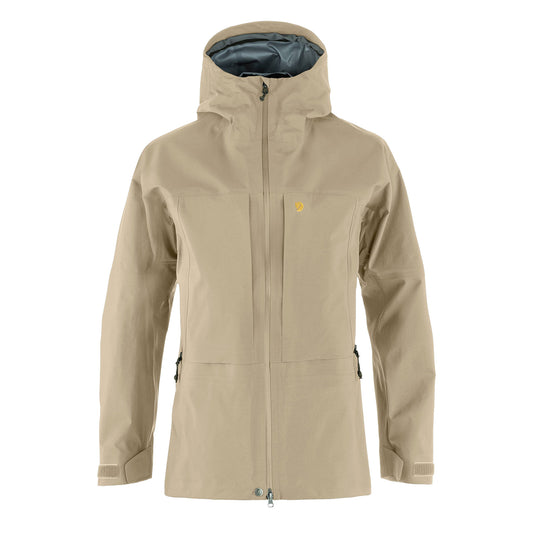
Val d’Isère’s high altitude, long season and north-facing terrain mean proper technical ski clothing is non-negotiable. Early-season Critérium weekends in December are genuinely cold; high-altitude days above Le Fornet demand windproof layers and warm gloves; yet a sunny afternoon on Solaise can feel almost spring-like.
The style dimension matters here, too. Val d’Isère’s clientele is sporty and style-conscious – the kind of skiers who want premium technical outerwear that performs on La Face and looks right on the Folie Douce terrace. This is precisely the space Cirkel Supply was built for.
Hire ski clothing online, delivered to your chalet in Val d’Isère
Hire your favourite ski outfit with Cirkel Supply before you travel and it will be ready and waiting at your chalet or hotel when you arrive. The chaos of the travel day, long transfers from Geneva, and a suitcase already full of party clothes – renting your ski outfit removes the worst part of packing.
We deliver to accommodations across Val d’Isère – the village centre, La Daille, Le Fornet and the hamlets – and we offer ski clothing for men, women and children from brands including Patagonia, Fjällräven, Ortovox, Halfdays, Hestra, Rudsak, Houdini and WHITESPACE.
Whatever the look, you can rent it with our skiwear rental service. Note that outfits book up quickly for peak season, and it’s essential to book your rental well in advance to ensure availability of your favourite ‘fits.
Getting to Val d’Isère
By train. The same strong no-fly story as Les Arcs: TGV from Paris and the seasonal Eurostar Snow Train from London to Bourg-Saint-Maurice, then around 30 to 45 minutes by transfer up the valley.
By air. Geneva (around 3 hours transfer), Lyon and Chambéry (around 2.5 to 3 hours). Shared and private transfers run at scale on Saturdays – the weekly chalet-changeover rhythm defines the logistics here.
In resort. Genuinely car-free. Strict no-parking in the village centre, underground car parks for arrivals by road, and the free Le Fornet–La Daille shuttle threading all the hamlets together. No car needed once you’re here.

The Critérium and winter events
The Critérium de la Première Neige (December). The flagship: France’s traditional World Cup season-opener, held here since 1955. The 2026 men’s races are confirmed for 12–13 December on the Face de Bellevarde, with a village-wide festival atmosphere and standing tickets around €10. It’s one of the best-value spectator experiences in world skiing.
The resort regularly hosts additional World Cup races through the season – check the FIS calendar for the latest schedule.
La Scara (April). The famous international youth race on the same slopes – future champions cutting their teeth. A charming, high-energy late-season event.