Davos ski vacation tips for every budget

With a literary pedigree that includes Thomas Mann – Davos is one of the most storied mountain destinations in the Alps, yet it remains refreshingly unpretentious. Whether you're after a grand hotel or a mountain hostel, this resort has a bed and a chairlift for you.
We asked the team at Davos Klosters Mountains to share their insider knowledge of this remarkable resort, from the premium addresses to the hidden budget gems, and everything in between. If you're planning a ski trip to Davos, read on to discover where to stay, where to ski and what to wear.

A brief history of Davos
Davos sits at 1,560 metres – one of the highest towns in Europe. From the 1860s, Dr Alexander Spengler began prescribing the clean mountain air to tuberculosis patients, turning a farming valley into one of Europe's most famous health resorts. The grand hotels along the Promenade date from that era.
The literary connections run deep. Thomas Mann's 1924 novel The Magic Mountain is set in a Davos sanatorium, inspired by his visit to his wife Katia at the Waldsanatorium (today's Waldhotel). The Art Nouveau Berghotel Schatzalp – a sanatorium from 1900, hotel since 1953 – is the setting readers identify. Robert Louis Stevenson wrote the final chapters of Treasure Island during winters spent in Davos (1881–82), and Arthur Conan Doyle's ski exploits here in the 1890s helped popularise skiing among the British.
The town's winter-sports ‘firsts’ are equally remarkable. In 1934, the world's first T-bar lift was installed on Davos's Bolgen slope – a moment that changed skiing forever. The Spengler Cup, played annually since 1923, is the world's oldest international ice hockey tournament and remains a highlight of the winter calendar. In the 1980s, the Jakobshorn was among the first Alpine mountains to welcome snowboarders when resorts across the Alps were turning them away. And since 1971, Davos has hosted the World Economic Forum each January, making the town's name a global shorthand.

Five ski areas, one lift pass
One lift pass – the Davos Klosters Bergbahnen pass – covers five of the six ski areas, offering roughly 253 km of prepared pistes, 81 runs and 44 lifts and cable cars.
Parsenn. The flagship. Accessed from both Davos Dorf (via the Parsennbahn funicular) and Klosters (via the Gotschnabahn gondola), Parsenn is the largest single ski area in the region. Its runs stretch from Weissfluhgipfel at 2,844 m all the way down to Küblis at 810 m – a celebrated descent of roughly 12 kilometres and one of the longest in Switzerland. Wide, groomed reds and blues dominate, with reliable snow on the north-facing upper slopes. Take the train back from Küblis.
Jakobshorn. Davos Platz's mountain, reached by gondola. The scene here is younger and more freestyle-oriented: the snow-sure JatzPark at 2,500 metres offers four freestyle lines for all levels, from beginner boxes and rails to challenging kickers, including the legendary «Dicke Berta». Meanwhile the legendary Jatzhütte – complete with DJs, palm trees and heated outdoor whirlpools – is the valley's liveliest après-ski spot.

Rinerhorn. A quieter, family-friendly mountain south of Davos with easy tree-lined pistes. The highlights for non-skiers: a 3.5 km floodlit toboggan run and regular night skiing on Wednesday and Friday evenings.
Madrisa. Klosters' sunny family mountain. The Madrisa Land children's snow park, gentle south-facing slopes, an 8.5 km toboggan run to Saas, and a genuine speciality in barrier-free skiing for people with disabilities make this a standout for families and those seeking an inclusive mountain experience.
Pischa. The odd one out, wonderfully: no groomed pistes at all. Pischa is a dedicated freeride and deep-snow mountain with a ski touring centre at its base. Snow-dependent (no artificial snowmaking), but when conditions align, this is where experts go. Snowshoeing trails add a non-ski dimension.
Schatzalp. The literary mountain, and the sixth area. Accessed by the historic funicular from Davos Platz to the Berghotel Schatzalp, this is the "decelerated" slow-skiing area – unhurried lifts, ungroomed charm, and the very mountain where Thomas Mann's characters gazed at the peaks. Note: Schatzalp runs on a separate pass from the main Bergbahnen ticket – check arrangements before your visit.
Where to stay – the best Davos hotels
Davos offers a surprisingly wide range of accommodation, and thanks to the Bergbahnen partnership with over 20 properties, many of these hotels can arrange lift passes and local services through their concierge.

Chalethotel Waldhuus, 4-star superior. Waldhuus trades postcard chalet looks for the real thing. Beside Davos's golf course and cross-country trails, its 108 rooms bring balconies overlooking the Grisons peaks and a wellness floor built for aching quads. The Globi Kids Club keeps little ones happily occupied, while the hotel's own restaurant and bar make it easy to settle in for dinner and drinks.

Hotel Mountain Plaza, 4-star. Right in the thick of Davos Platz, Mountain Plaza suits skiers who want it all within reach: 210 rooms, a 1,000m² wellness floor, a brand-new three-storey fitness area and a regular shuttle straight to Jakobshorn and Parsenn. The highlight for skiers: an in-house ski rental shop, so skis and boots are collected in the lobby rather than in a queue in town. Once the lifts close, the Mountain Bar, the Vergani Winelounge and two restaurants keep the energy up. Sporty and sociable.

Alpengold Hotel, 5-star. For the full grand-hotel treatment, the Alpengold is Davos's five-star address – an architectural landmark tower above Davos Platz with panoramic rooms, spa and fine dining, minutes from the Jakobshorn gondola. Book with luxury travel operator, Powder Byrne, to add an extra layer of opulence to this extraordinary stay.
Where to stay: affordable accommodation in Davos
You don't need a grand-hotel budget to enjoy Davos. In fact, the cheapest beds in the valley come with the most generous extra: several of the Mountain Hotels sell their rooms with a lift pass included, which is what makes them such good value for a ski trip.
Berghostel Jakobshorn. Wake up at 2,590 metres. The hostel sits at the summit station, so first tracks are a lift ride away, not a bus ride. Seventy-six beds across 16 shared rooms, a roof terrace for sunset beers, and packages that include your ski pass. Not fancy – better: pure mountain immersion for skiers.
Berghostel Rinerhorn and RinerLodge. On the Rinerhorn, the Berghostel and the neighbouring RinerLodge offer bunk rooms and simple double rooms, and every booking comes with a lift pass for the Rinerhorn in the package. For campers, the Rinerhorn valley station at Davos Glaris also has a campsite – the cheapest way of all to sleep at 1,450 metres.

Parsenn Resort Apartments. For skiers who'd rather have a kitchen than a minibar, Parsenn Resort's 30 apartments sit right on the piste, with the Parsenn valley run finishing at the front door. Pick a 2.5 or 3.5-room apartment and settle in – sauna, relaxation room and gym included, Davos Dorf's shops a short stroll away.

Hotel Joseph's House. Freshly reborn after a two-year makeover, Joseph's House swaps its convent-quiet past (real nuns once ran the place) for 71 rooms of Alpine polish, Art Nouveau bones proudly intact. Two minutes from Davos Platz and the Jakobshorn lift, plus a proper 200m² spa. Budget-friendly, big on character.

What to wear in Davos
Davos sits at altitude and gets cold – genuinely cold. Temperatures regularly dip below -15°C on the upper slopes of Parsenn and Pischa, and the north-facing valleys hold their chill. Six mountains mean six microclimates: a sunny afternoon on Madrisa is a completely different experience from 2,844 m on the Weissfluhgipfel or a deep-snow day on Pischa. Layering is essential: a moisture-wicking merino base layer, an insulating midlayer, and a windproof, waterproof outer shell.
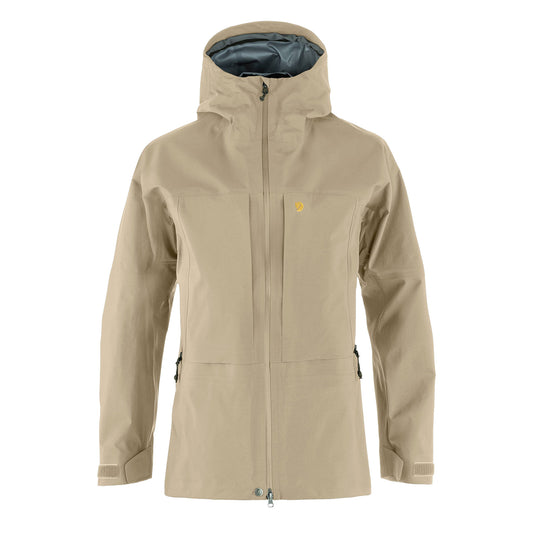
On Parsenn and Jakobshorn, where most visitors ski, you'll see a mix of classic technical brands and more fashion-forward choices. Freeride enthusiasts heading to Pischa tend to opt for performance-oriented ski jackets and ski pants from brands like Ortovox, Patagonia and Fjällräven. In the Schatzalp funicular and in Klosters village, something a little more refined works well – think Halfdays.
One angle unique to Davos: every January, tens of thousands of World Economic Forum delegates and Spengler Cup visitors arrive in the mountains without any ski or winter clothing. If you're visiting for business or an event and want to hit the slopes, ski clothes rental in Davos makes far more sense than buying a wardrobe you'll use once.

Can you rent ski clothes in Davos?
Yes. You can hire ski clothes in Davos without visiting a shop: order online before you travel and Cirkel Supply will deliver your outfit to your accommodation in Davos or Klosters, ready and waiting when you arrive. We offer ski clothing for men, women and children – ski jackets, ski pants, ski suits, midlayers and accessories – from brands including Patagonia, Fjällräven, Ortovox, Halfdays, Hestra, Houdini and WHITESPACE.
Skiwear rental works particularly well here, because Davos is a train destination: hire your ski clothing, travel with hand luggage, and skip the ski bag entirely. Outfits book up quickly for peak season, so it's essential to book your rental at least 3 days in advance.
Ski and snowboard rental in Davos
Clothing is only half the kit. For skis, boards and boots, the Davos Klosters Mountains partner shops sit right at the lifts:
Mountain Plaza Hotel has its own ski shop inside the hotel, with a discount on rentals for hotel guests – the easiest option if you're staying in Davos Platz.
Top Secret Ski & Snowboard Company in Davos Platz is the freestyle-minded choice near the Jakobshorn.
Rent your hardware locally, have your ski clothing delivered to your hotel, and you arrive in Davos with nothing but a carry-on.
Where to dine in Davos
Davos has a dining scene that ranges from hearty meals to contemporary dining. Graubünden specialities – capuns, Bündnerfleisch, pizzoccheri and local game – give the food a regional identity that is unique to this mountain range.
On the mountain. The Bergrestaurant Weissfluhgipfel, at the top of Parsenn (2,844 m), offers serious cooking at altitude with spectacular 360-degree views – it books out on sunny days, so plan ahead. On Jakobshorn, the Fuxägufer is a sun-terrace institution known for its Spätzli, while the Jatzhütte needs no introduction – DJs, heated whirlpools and palm trees beside the piste. For families, the Saaseralp on Madrisa and the Hüblhütte on Rinerhorn offer kids' menus and sunny terraces.
In Davos. The Montana Stube is a locals' favourite for traditional Bündner cuisine – Käseschnitte, capuns and air-dried meat platters. Armando's pane e vino is a beautiful fusion of Italian cuisine and wine. And at the base of the Jakobshorn, the Bolgenplaza is Davos's sunniest après spot – deckchairs, DJs and cold drinks.
Tone note: après here is sun-terrace-and-snow-bar rather than glitz. And during the Spengler Cup, the whole town runs on hockey, fondue and Glühwein – which is its own kind of wonderful.
Ski lessons in Davos
Several ski schools operate across the resort, with group and private options for all levels:
The Swiss Ski and Snowboard School Davos covers both Parsenn and Jakobshorn, offering group lessons, private tuition and children's programmes.
Top Secret Ski & Snowboard Company in Davos Platz is the alternative for freestyle and off-piste coaching.
Mountain guides are available for guided off-piste days on Pischa and the Parsenn ski routes – the freeride mountain makes guided powder skiing a bookable, mainstream product here rather than an expert-only niche.
Cross-country skiing lessons are also available – worth noting because Davos is one of Switzerland's great Nordic destinations, with over 100 km of groomed trails.

Beyond the slopes: activities for families and non-skiers
Davos has more to offer off the slopes than almost any resort in Switzerland:
Tobogganing at scale. Roughly 25 km of toboggan runs across the resort, including Rinerhorn's 3.5 km floodlit night run and Madrisa's 8.5 km descent to Saas. Toboggans can be rented at base stations.
Ice sports. Europe's largest natural ice rink (a resort claim), plus the historic Eisstadion – home to skating, curling and HC Davos home games. Catching a Swiss National League hockey game is a memorable evening.
Culture and bad weather. The Kirchner Museum holds the world's most important collection of Ernst Ludwig Kirchner, who lived and painted in Davos – a proper bad-weather day out, unusual for a ski destination. Kulturplatz Davos and the Färbi Sporthalle both run varied indoor programmes when the clouds come down.
The Magic Mountain outing. Take the Schatzalp funicular up, explore the Art Nouveau hotel, dine in the restaurant, and toboggan back down to town under the stars. Literary tourism at its most atmospheric.
Winter walking and snowshoeing. Over 100 km of cleared winter-hiking paths, plus snowshoeing routes on Pischa and in the surrounding valleys.
Cross-country skiing. 100+ km of groomed trails including the Flüela and Wolfgang loipen, and a floodlit night loipe in Davos – world-class Nordic skiing integrated into a downhill resort.
The Spengler Cup and winter events
The Spengler Cup, played between Christmas and New Year since 1923, is arguably Davos's most iconic event. Six ice hockey teams – including HC Davos and invited clubs from across Europe and North America – compete in the Eisstadion, drawing around 100,000 visitors to the town. The atmosphere is electric and the pistes are wonderfully empty. If you time your visit for the tournament, book accommodation well in advance.
The World Economic Forum arrives each January, bringing a different kind of energy – security cordons, black SUVs and an influx of delegates who push room rates up but also leave the slopes to the rest of us. Useful to know rather than a reason to visit.
Other events worth noting: night skiing and night tobogganing evenings (regular throughout winter), the Parsenn Derby (described as Switzerland's most traditional ski race, first run in 1924), and cross-country World Cup racing on the valley trails.
How to get to Davos from Zurich
Davos is one of the most accessible major resorts in the Alps by train – which is part of its appeal for sustainability-minded travellers.
By train. From Zürich, the journey takes around 2.5 hours via Landquart, where the scenic Rhaetian Railway (RhB) winds up the Prättigau valley to Klosters and on to Davos. Stations in both towns. The resort actively rewards train arrivals: ski-pass discounts of up to 30% (pre-season) and 10% (in-season) are available for those who arrive by rail. Add 15 minutes from Zürich Airport to the main station.
By car. From Zürich it's approximately 2.5 hours via the A3/A13 to Landquart, then the valley road. Snow chains occasionally needed beyond Klosters. Note the Swiss motorway vignette requirement and the winter night-time parking ban in Davos (1 Nov–30 Apr).
In resort. Free local buses and RhB trains with the guest card connect both towns and all six ski mountains – no car needed. The Vereina car-train tunnel links Klosters directly to the Engadine valley, making St. Moritz a feasible day trip.
By air. The closest airport is Zürich (ZRH), with Friedrichshafen (FDH) as an alternative for budget carriers. Both connect smoothly to the train network, and SBB luggage services can take your bags from the airport onward to Davos.
Thanks to the team at Davos Klosters Mountains for their excellent tips that will ensure a great Davos stay across a variety of budgets.
Which Swiss ski resort to visit: Davos vs. St. Moritz vs. Zermatt
If you’re still deciding if Davos is the perfect Swiss destination for you, here’s our take: Zermatt is best for travellers obsessed with views of the iconic Matterhorn, and for early or late season trips due to Zermatt’s high altitude and glacier snow. St. Moritz is for those who come for the scene as much as the skiing – lakeside glamour, polo on ice and grand hotels. Davos is for people who just want to ski a lot: five mountains on one ski pass, long descents, hockey and no dress code.