What to Wear at the Jungfraujoch

Dress for winter, whatever month you are travelling in. The Jungfraujoch station sits at 3,454 metres, and the MeteoSwiss weather station at the Sphinx (3,571 m) records an average daily high of 3.5°C in July and −9.4°C in January, with January nights averaging −15.4°C. Interlaken, where most visitors start the day, averages 24.5°C in July. You will cross roughly 21°C of temperature in under two hours.
The Jungfrau Railway's own advice
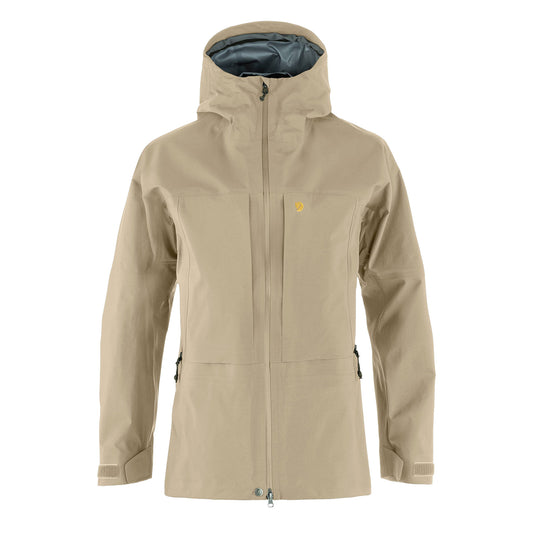
The railway asks visitors to dress on the “onion principle” and to bring a jacket, closed shoes, a hat, gloves and sunglasses. That list is not decoration. Much of the visit is outdoors: the Plateau, the Sphinx terrace and the Snow Fun Park are all exposed, and the Ice Palace is carved into the glacier, so it stays below freezing regardless of the weather outside.
What to wear in summer
Trousers or jeans are fine, worn with a light midlayer and a windproof, waterproof jacket over the top. Add a hat, gloves and sunglasses, and carry them rather than wearing them on the way up — you will want them the moment the doors open. Sun protection matters more than most visitors expect: UV rises by about 10% per 1,000 metres of altitude, and fresh snow reflects up to 80% of it, which the World Health Organization says almost doubles your exposure.
What to wear in winter
The same structure, with more insulation. A proper insulated jacket with a warm midlayer underneath, thermal socks, a hat that covers your ears, waterproof gloves rather than knitted ones, and sunglasses or goggles if it is windy. Jeans are still acceptable for the standard visit, but they get cold and stay wet if you sit down in the snow.
Footwear
Closed shoes are compulsory rather than recommended. The snow at the top is pisted and firm, so trainers work on most days and boots are more comfortable when it is very cold. Sandals and smooth-soled fashion shoes are a bad idea on packed snow.
Do you need ski pants at the Jungfraujoch?
No. The standard visit is platforms, tunnels and a short walk on firm snow, and ski pants are hot on the train and unnecessary at the top. If you are booked into the Snow Fun Park for sledging or tubing, waterproof trousers are worth having, because that is the one part of the visit where you sit in the snow.
Renting instead of packing
Cirkel Supply delivers premium ski jackets, midlayers, gloves and backpacks to your accommodation in Switzerland, so you can arrive with hand luggage and still be dressed for 3,454 metres. That suits visitors who fly in for a few days of sightseeing and do not own winter kit at all.
Read next: our full guide to what to wear sightseeing in Switzerland, which covers Titlis, Gornergrat, Schilthorn and Glacier 3000, and our guide to layering for skiing and snowboarding.