What to wear sightseeing in Switzerland

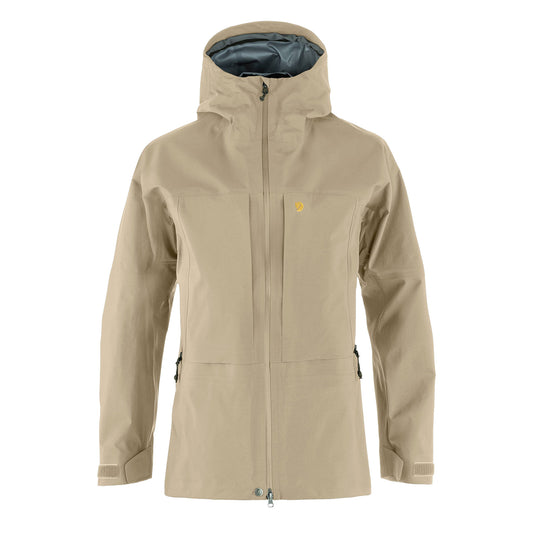
For a Swiss mountain sightseeing trip, wear a warm hat, gloves, a warm midlayer and a waterproof, windproof jacket over normal trousers or jeans, with closed shoes that have grip. Add sunglasses and high-factor sunscreen, and carry a backpack for the layers you take off inside heated trains and restaurants. You do not need ski pants.
That answer holds at the Jungfraujoch, on Mount Titlis, at Gornergrat, on the Schilthorn and at almost every other high-altitude viewpoint in Switzerland, in summer and in winter. Below we explain why, what changes between seasons, and exactly what each classic excursion asks of your wardrobe.
We wrote this guide because it is the question our customers ask most often. Every week we hear versions of "We're headed to the Jungfraujoch, what should I wear?" and "Can I rent ski pants, a ski jacket and gloves for the Top of Europe?" – so we checked with the local tourism boards in Interlaken, Zermatt and Engelberg to confirm the contents of this guide.
Cirkel Supply rents premium snow clothing to visitors in the Alps, so this information from the tourism boards is cross referenced with feedback from our customers.
The mountain can be 20°C colder than the city you left this morning
Swiss cities and valley towns are warm in summer and merely cool in winter. The viewpoints you travel to are neither. Using MeteoSwiss measurements from 1991 to 2020, this is the average daily maximum temperature at three high-altitude weather stations, next to Interlaken in the valley:
Average daily maximum temperature in °C, MeteoSwiss station normals 1991–2020
| Month | Interlaken 578 m | Jungfraujoch 3,571 m | Titlis 3,045 m | Gornergrat 3,129 m |
|---|---|---|---|---|
| January | 3.5 | −9.4 | −6.3 | −6.0 |
| February | 5.6 | −10.2 | −6.7 | −6.3 |
| March | 10.7 | −8.5 | −5.8 | −4.5 |
| April | 14.9 | −6.2 | −3.7 | −1.9 |
| May | 19.0 | −2.0 | 0.1 | 2.3 |
| June | 22.6 | 1.7 | 4.1 | 6.7 |
| July | 24.5 | 3.5 | 6.1 | 9.2 |
| August | 24.0 | 3.6 | 6.0 | 9.1 |
| September | 19.4 | 0.5 | 3.1 | 5.8 |
| October | 14.3 | −2.1 | 1.2 | 2.9 |
| November | 8.0 | −6.4 | −3.2 | −2.1 |
| December | 3.9 | −8.6 | −5.3 | −4.8 |
Station heights in brackets. Visitor levels differ slightly: Jungfraujoch station 3,454 m, Titlis top station 3,020 m, Gornergrat 3,089 m.
Read the July row again: while Interlaken averages a daily high of 24.5°C, the Jungfraujoch averages 3.5°C. That is a gap of 21°C in a journey of well under two hours. In January the Jungfraujoch averages a daily high of −9.4°C and a daily low of −15.4°C.
Two things make it feel colder still. Wind at 3,000 metres is stronger and less obstructed than in the valley, and viewing platforms are deliberately exposed. And the temperature you experience swings constantly, because these excursions alternate between heated trains, cable cars and restaurants and open glacier terraces. Dressing for the average of those two environments leaves you uncomfortable in both, which is why layers you can add and remove beat one very warm coat.

The sun is the other thing visitors underestimate
Altitude and snow work together against you. The World Health Organization reports that UV levels rise by roughly 10% for every 1,000 metres of altitude, and that fresh snow reflects as much as 80% of UV radiation, almost doubling your exposure because you catch the sun from above and below.
The Jungfrau Railway is blunt about the consequence: there is a considerable risk of snow blindness on the glacier if sunglasses are not worn, and that applies in bad weather too, because UV passes through cloud. Sunglasses, high-factor sunscreen and a hat are not optional extras on a snow excursion. They are basic equipment, in August and in February.
What to wear sightseeing in the Swiss Alps in summer
- Beanie and gloves
- Sunglasses, SPF sunscreen and a sunhat or cap
- Waterproof, windproof jacket (a lightweight 3L shell is ideal)
- Light midlayer
- T-shirt or light base layer
- Normal trousers or jeans
- Closed shoes with grip
- Backpack
Swiss summers are genuinely warm at valley level, and it is tempting to travel up in what you wore at breakfast. Do not. The most effective summer set-up is a lightweight 3L shell jacket that blocks wind and rain, with a midlayer underneath that you add on the terrace and take off on the train. A shell packs down small, handles a sudden squall, and works across the whole range of conditions you will meet in one day.
The backpack matters more than people expect. Every part of these excursions that is not outdoors is heated, so you need somewhere to put your jacket, midlayer, hat and gloves for an hour at a time. Without a bag, you either overheat indoors or leave layers behind.

What to wear sightseeing in Switzerland in winter
- Beanie and gloves
- Sunglasses, SPF sunscreen and lip balm with SPF
- Insulated waterproof jacket
- Warm midlayer
- Warm base layer top and leggings
- Warm trousers over base layer leggings
- Neck warmer, woollen scarf or balaclava
- Winter or hiking boots
- Backpack
Winter is the summer wardrobe with reinforcements, so read the summer list first and then make these swaps. Trade the shell for an insulated jacket. Trade the light fleece for a warmer midlayer such as a synthetic down midlayer. Keep your jeans if you like them, but put base layer leggings underneath, because denim is neither warm, nor windproof, nor quick-drying. Swap trainers for hiking or winter boots; if you have neither, choose the trainers with the thickest soles you own, since that extra sole insulates your feet from the snow.
Do not let the cold fool you about the sun. UV exposure at altitude is still fierce in February, and low winter sun reflecting off snow hits you straight in the eyes.
What snow clothing can you rent from Cirkel Supply?
You do not need to buy a winter wardrobe for one day above the clouds, and you do not need to fly with one either. We rent premium snow clothing and deliver it to your accommodation in Switzerland before you arrive; when your trip is done, you repack it in the reusable packaging and leave it at reception.
- Waterproof, windproof jackets. For summer sightseeing we recommend a 3L shell such as the Houdini Rollercoaster Jacket or the Ortovox Ravine Free 3L Jacket. The Patagonia Powder Town Jacket is a more affordable 2L option.
- Insulated jackets for winter. The Patagonia Insulated Powder Town Jacket is the classic outdoor choice; the Halfdays Aston Jacket is the sleeker, more fashion-forward option, with a waist belt that keeps the silhouette neat in photographs.
- Midlayers. In summer, a light midlayer such as the Houdini Power Up Jacket is plenty. In winter, we recommend the Patagonia Nano Puff Jacket, whose synthetic insulation keeps working when the temperature drops well below zero.
- Gloves. Our Hestra GORE-TEX gloves and mittens are built for skiing, which makes them slightly over-specified for sightseeing in summer, but a great choice in winter (and for snowball fights around the calendar year).
- Backpacks. The Patagonia Snowdrifter 20L and the Ortovox Powder Rider 16 both fit the layers a couple will shed indoors.

Should I wear ski pants sightseeing in Switzerland?
No. Ski and snowboard pants are cut for ski boots, which are tall and rigid, so the hems sit low and drag when you walk in normal shoes. On a sightseeing day you spend most of your time indoors, on trains and on hard surfaces, where ski pants are hot, awkward and easy to damage underfoot. Warm trousers with base layer leggings are more comfortable and better suited to the day.
There is one honest exception. If your excursion includes proper snow activities rather than viewing platforms, waterproof over-trousers earn their place: Glacier 3000 in the Vaud Alps, for example, explicitly recommends ski pants, warm boots, gloves, hat, sunglasses and sun cream for winter visitors, because guests there go dog sledding, snow-walking and tobogganing rather than just looking at the view.
Also for children who want to roll and play in the snow, ski pants can be a smart move on these excursions to ensure they stay dry.
But I really want to wear ski pants for the photos. How do I do it properly?
Wear leggings underneath and carry the ski pants in your backpack while you are indoors or on the train. When you reach the snow, find a bench, take your shoes off, and put the pants on properly (do not try to wrestle the ski pants over your footwear). If you have more than a few steps to walk and the hems reach the ground, roll the legs up using the elasticated snow gaiter inside the cuff. Take them off again before the journey down.
What to wear on the Top of Europe tour to the Jungfraujoch
The Jungfraujoch is the excursion we get asked about most, and the one people most often over-pack for. Around 1.06 million people visited in 2025, and the vast majority of them are not skiers.
The fastest route starts at Grindelwald Terminal, where the Eiger Express tricable gondola climbs to the Eigergletscher station at 2,320 metres in around 15 minutes; from there the Jungfrau Railway tunnels through the Eiger and Mönch to the Jungfraujoch at 3,454 metres. Allow roughly 50 minutes from Grindelwald Terminal, or about 90 minutes on the classic Wengernalp Railway route via Kleine Scheidegg. The Sphinx observation deck sits higher again, at 3,571 metres.
Everything you travel in is heated, so start the day with your warm layers in your backpack. At the top, the indoor attractions — the Ice Palace, the shops and restaurants, the Sphinx lift — are sheltered, while the Plateau, the glacier terrace and the Snow Fun Park are fully exposed. Add your midlayer and jacket before you step outside and judge the wind, not the sunshine.
The snow you walk on at the top is pisted and firm, so you will not sink in. Closed shoes are compulsory rather than optional: trainers are fine on most days, boots are more comfortable when it is very cold, and sandals or smooth-soled fashion shoes are a bad idea. The Jungfrau Railway's own advice is to dress in the "onion principle" and bring a jacket, closed shoes, a hat, gloves and sunglasses.
What to wear on Mount Titlis
The Titlis cableways carry you from Engelberg to 3,020 metres in about 30 minutes, finishing on the Rotair revolving cable car. The station-level weather is similar to the Jungfraujoch — the MeteoSwiss station at 3,045 metres averages a daily high of 6.1°C in July and −6.3°C in January — but two Titlis attractions make warm layers non-negotiable.
The first is the glacier cave, where the temperature inside the ice never rises above −1°C whatever the season. The second is the Titlis Cliff Walk, Europe's highest suspension bridge, which starts at 3,041 metres and crosses a 500-metre drop. It is 100 metres long, one metre wide, and completely exposed to the wind, and you reach it by walking across the glacier from the top station. Wear the jacket, the hat and the gloves, and keep them accessible rather than packed.
To learn more about sightseeing at Mount Titlis, and what to wear, click here.
What to wear at Gornergrat and Matterhorn Glacier Paradise in Zermatt
Zermatt village sits at 1,620 metres, and its two flagship excursions climb far above it. The Gornergrat cogwheel railway reaches 3,089 metres, and Matterhorn Glacier Paradise reaches 3,883 metres, the highest cable car station in Europe.
Gornergrat is the milder of the two and the easier day: the MeteoSwiss station nearby averages a daily high of 9.2°C in July, the warmest summer readings of any viewpoint in this guide, and −6.0°C in January. Matterhorn Glacier Paradise is another 800 vertical metres up, with glacier terraces, the Glacier Palace ice tunnels and considerably more wind, so treat it as a winter excursion in any month. Zermatt's own visitor advice is to pack a warm midlayer, a windproof or waterproof outer layer, comfortable shoes, and sunglasses and sunscreen year-round.
More reading on Zermatt: what to wear on Gornergrat, holiday planning, renting snow clothing in Zermatt.
What to wear at other Swiss sightseeing viewpoints
- Schilthorn, Piz Gloria (2,970 m), above Mürren: high, exposed and famous for its revolving restaurant and James Bond history. Dress as you would for the Jungfraujoch.
- Glacier 3000, Les Diablerets (2,971 m): the Peak Walk by Tissot suspension bridge and glacier activities. The operator itself warns that conditions can be extreme and that winds can exceed 80 km/h.
- Mount Pilatus (2,132 m) and Rigi Kulm (1,798 m), above Lucerne: mid-altitude, mostly snow-free in summer, but cold and often icy underfoot in winter. Grippy shoes matter more than extreme warmth.
- Harder Kulm (1,322 m), above Interlaken: the easiest of the lot, and a warm jumper plus a rain jacket usually covers it.
Frequently asked questions
Do I need snow boots for the Jungfraujoch or Titlis?
No. Closed shoes with grip are the requirement, and on most days trainers or walking shoes are fine, because the snow you cross is pisted rather than deep. Winter boots are more comfortable in very cold weather or if you plan to spend a long time outdoors. Sandals and open-toed shoes are not permitted.
Are jeans warm enough for a Swiss mountain excursion?
In summer, yes, for the short periods you are outdoors. In winter, wear base layer leggings underneath. Jeans lose their insulation when wet and dry slowly, so keep them out of deep snow.
Can I rent winter clothing in Switzerland just for a day of sightseeing?
Yes. Cirkel Supply delivers rented jackets, midlayers, gloves and backpacks to your hotel, chalet or apartment in Switzerland, so you can fly with hand luggage and still be properly dressed at 3,500 metres. We have aminimum 2-day rental, even if you only need it out on the mountain for one day.
What should children wear for a mountain excursion?
The same layers as adults, plus more attention to hats and gloves, because children lose heat faster. Additionally, if children want to be playing in the snow, building snowmen or throwing snowballs, consider taking a full snowsuit for them to wear in the snow (and lighter layers for the train ride there).
Do I really need sunglasses if it is cloudy?
Yes. UV passes through cloud and reflects off snow, and snow blindness is a real risk on glaciers and snow – even in poor weather.
Ready to go sightseeing in Switzerland?
Rent your outfit before you travel and we will have it waiting at your accommodation. Browse our jackets, midlayers and accessories, or read our guide to layering if you want to understand how the pieces work together.